

Chairman’s Chit Chat May 2026
“Where do you get your muck from?”
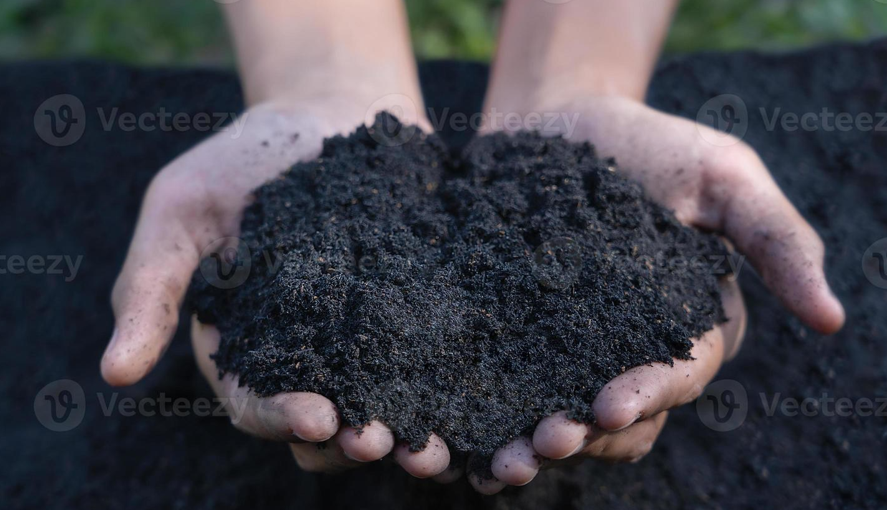
On the allotment site this is a question I am frequently asked, especially by new allotmenteers. But like a good journalist I never divulge my sources, so this enquiry is met with a polite “here and there” or “where I can.” This lack of enthusiasm for sharing details of muck suppliers does sometimes cause a little friction.

A couple of years ago, a couple who had just taken on a plot asked me the usual question and I responded with one of my stock answers.
For quite a few months afterwards my cheery greeting of “Now then” was met with stony silence and a malevolent stare.
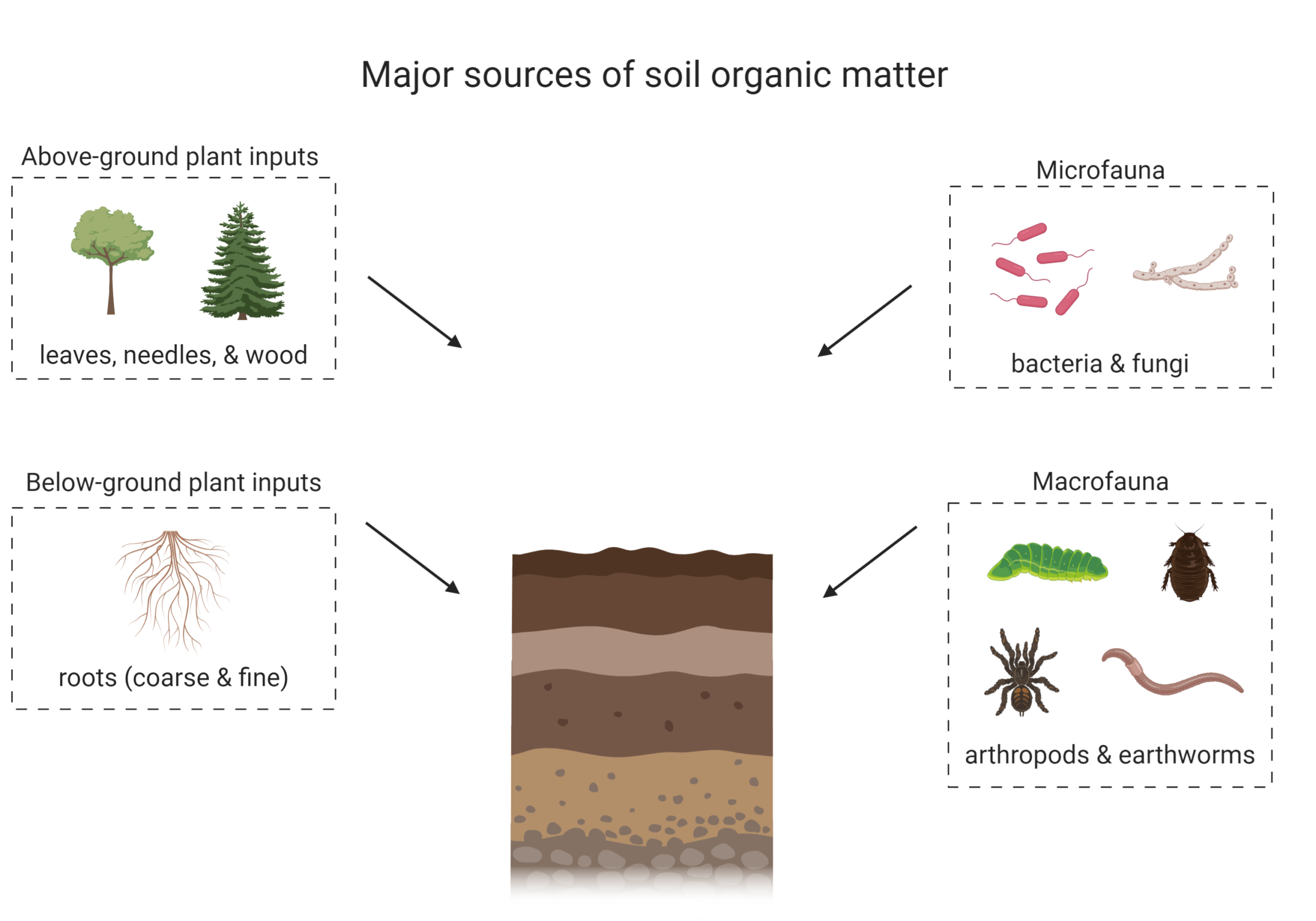
Organic matter (for the purposes of this article – muck) is a much sought-after commodity and it is every plot holder for themselves when it comes to acquiring it.
In the early years of having the allotment I used to buy in a load of manure from a local farmer – and I do mean a ‘load’. It was a full farmyard trailer’s worth. It took two full days of hard slog to barrow it from the central path, where it had been deposited, down to my plot.
There are several stables in the locality and eventually I had that light bulb moment: stables = horses = by-product.
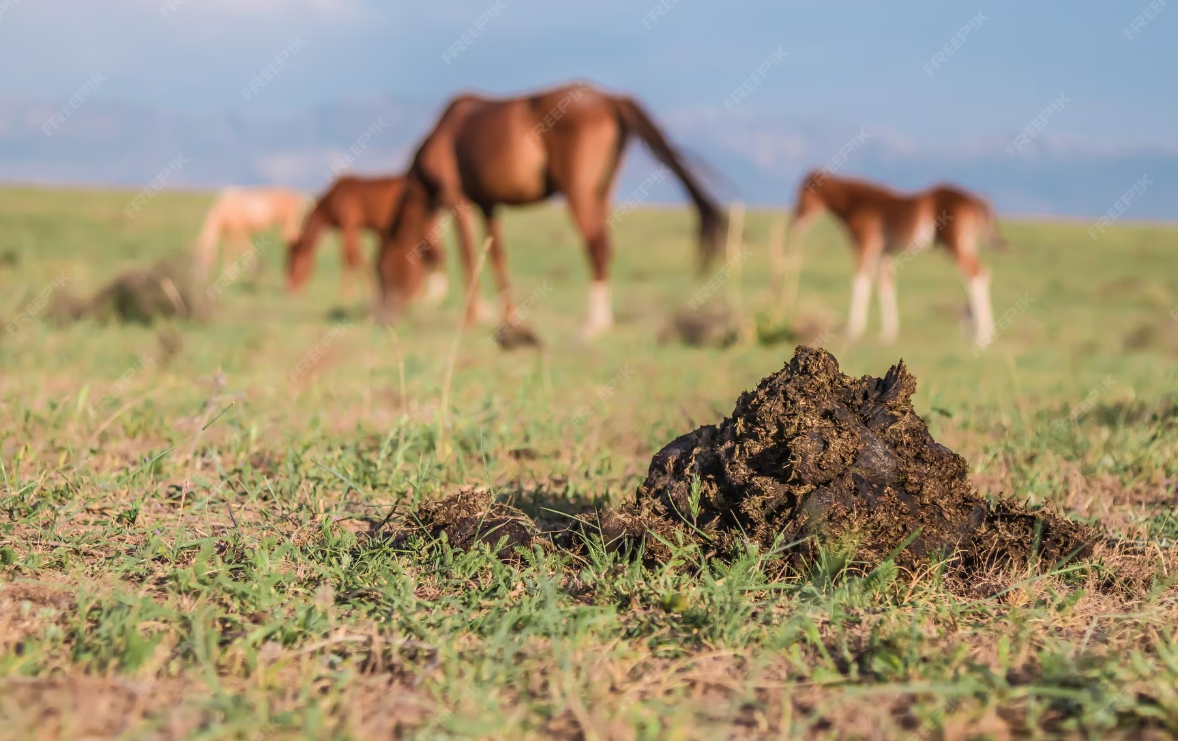
Tentative negotiations were entered into with two of them (I didn’t want all my muck in one heap, as it were). It turned out the stable owners were as desperate to get rid of the muck as I was to have it. Thus, long-term, symbiotic relationships were forged and still operate today.
It takes a lot of organic material to muck my plot each year, so a considerable amount of time and effort goes into gathering and stacking the black gold.
I spend half a day every other week collecting and then stacking this vital soil improver.
My muck stack is the subject of goodnatured ribbing from my friends, who reckon it can be seen from space, and that for nine months of the year it is snow-capped.
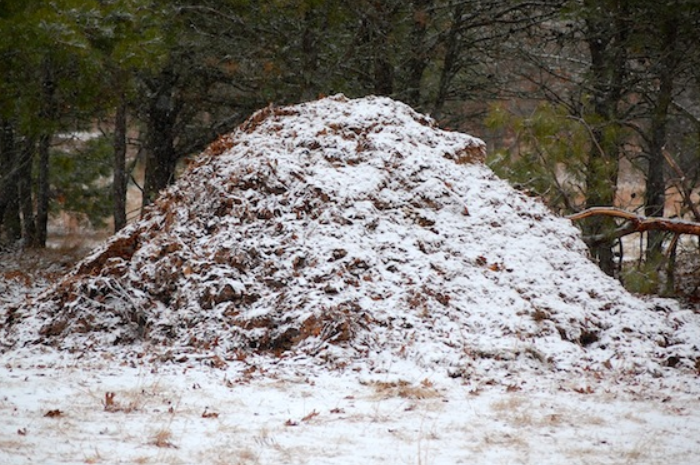
Both assertions are probably true!
So, to avoid bad feeling, please don’t ask me “Where do you get your muck from?”